Paramount's older neighborhoods are full of pre-1980 wood-frame homes, and that is exactly the housing termites like best. In escrow, a termite inspection is one of the cheapest pieces of protection a buyer can buy, and one of the easiest to get wrong by ordering it too late. Here is when to order it, what the report actually means, who pays for what, and the red flags that should make you pause before you sign.
When to Order the Inspection in Escrow
Order the inspection as soon as your offer is accepted and the contingency period opens. Do not wait for the general home inspection to flag something first. A termite inspection is a separate, licensed inspection, and in a typical 17-day contingency window you need time for the inspection itself, the report, a treatment quote, and a negotiation over who pays. If the report finds active termites, you may also need a second look after treatment, and that takes days you will not have if you ordered late.
Many buyers in Downtown Paramount and the Clearwater neighborhoods run into the same squeeze: a 1960s or 1970s wood-frame home, a tight contingency clock, and a seller who wants the termite question settled fast. Booking the inspection in the first week of escrow keeps the termite question from becoming the thing that delays closing.
What the Inspector Actually Checks
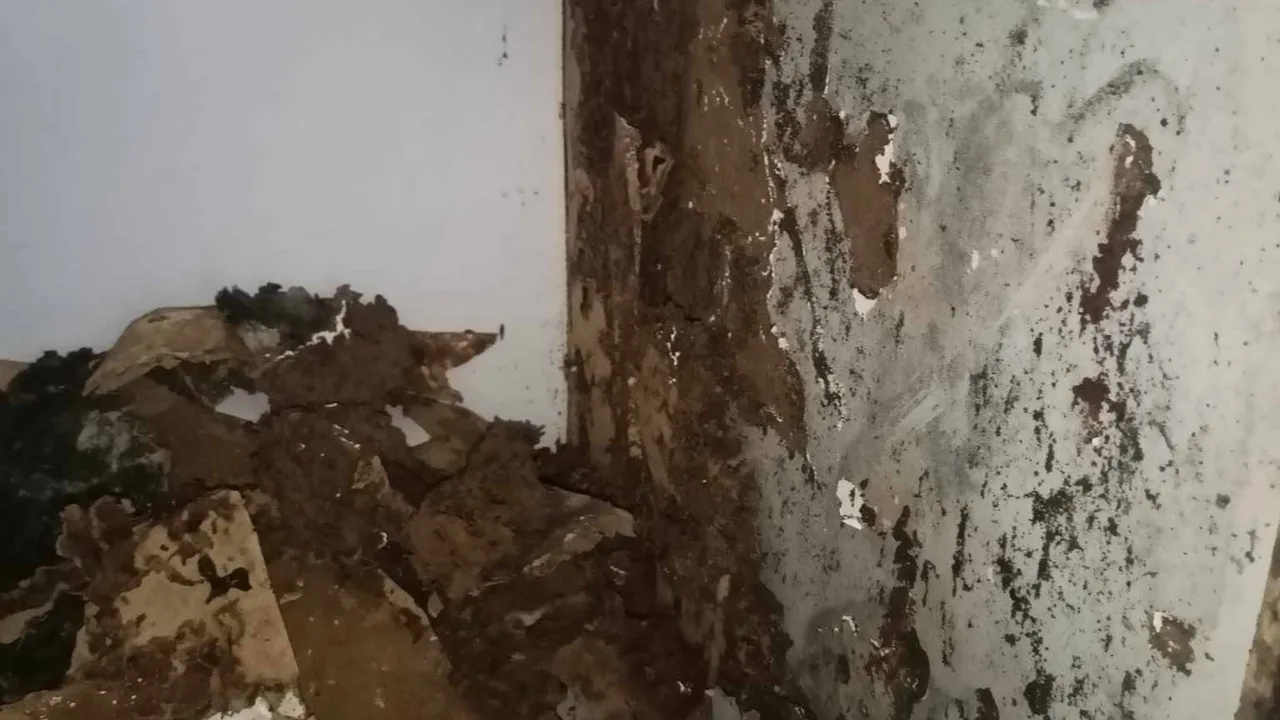
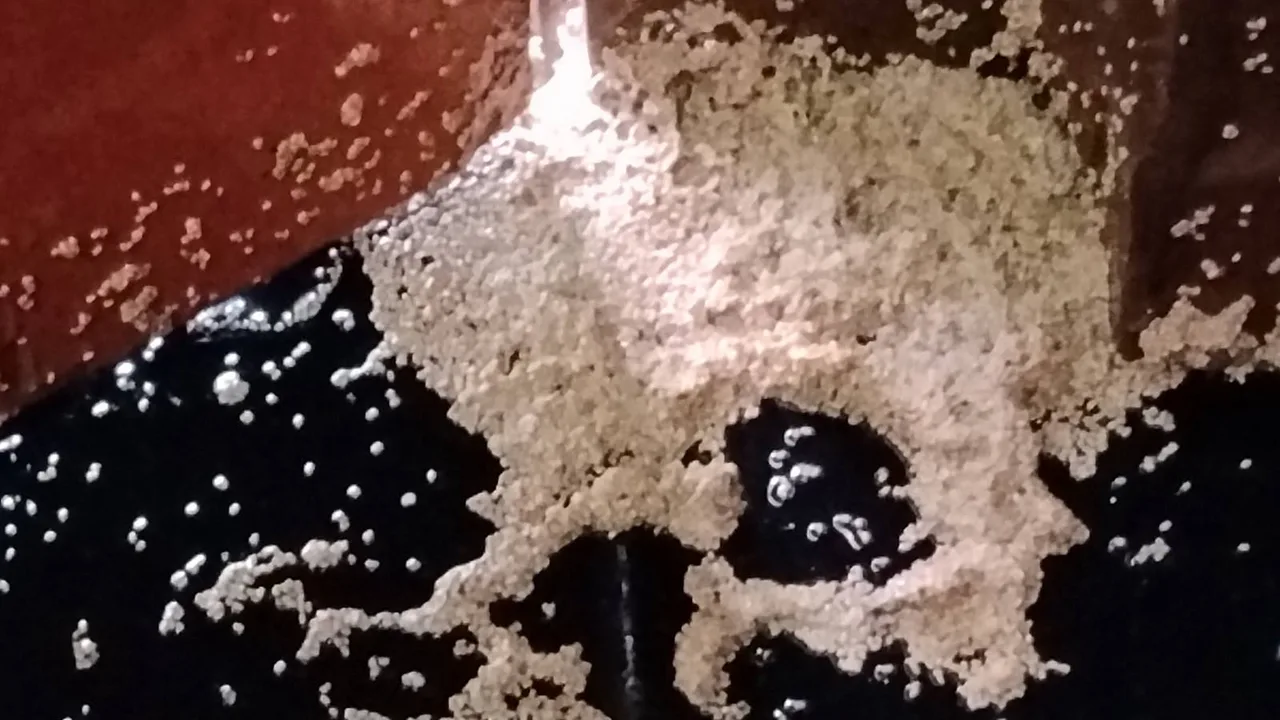
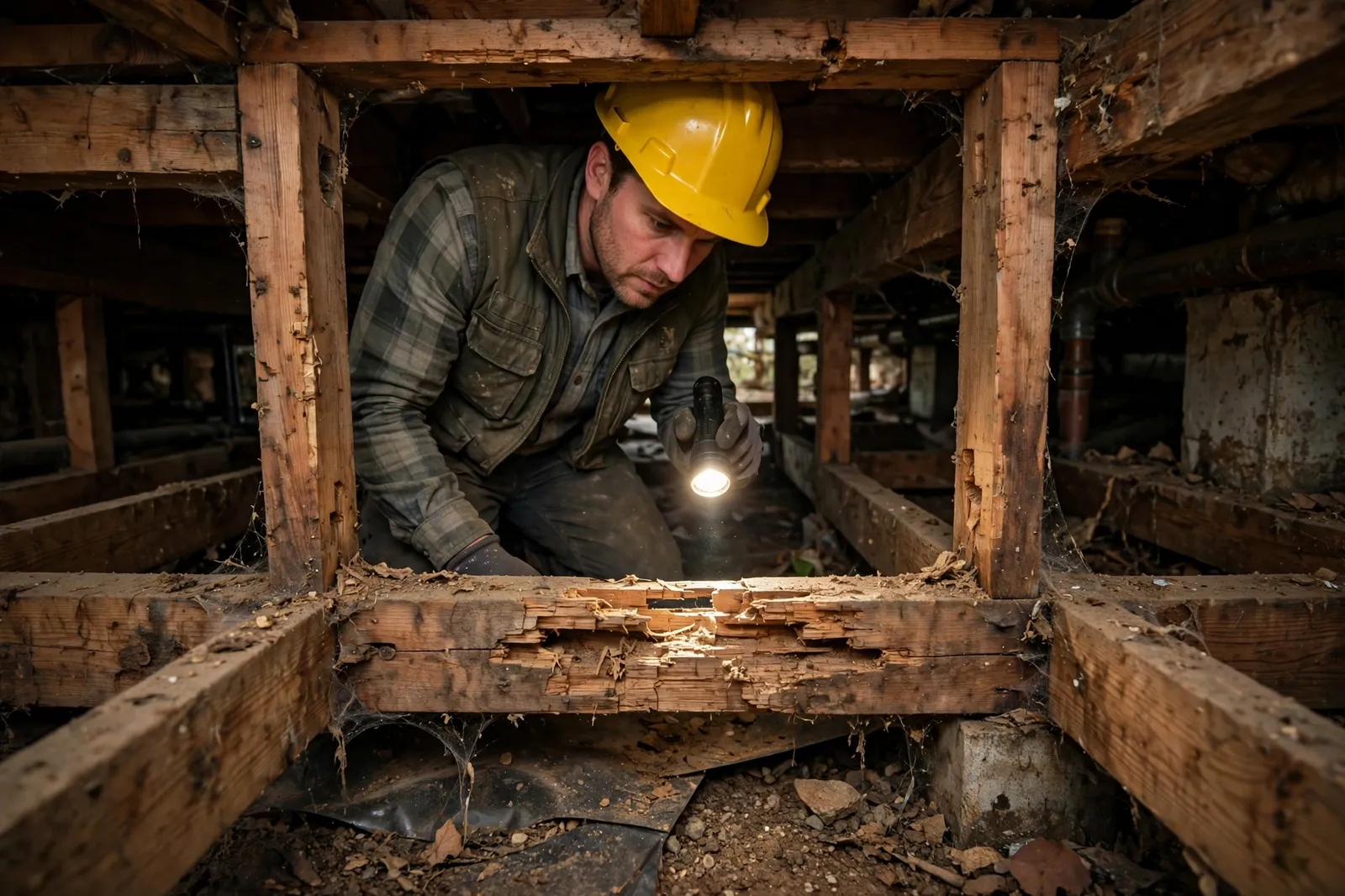
A licensed inspector walks the whole property: the subarea and crawl space, the attic, the garage, the exterior wood, the fence lines and any wood-to-soil contact around the foundation. They are looking for active subterranean termites, drywood termite evidence like frass pellets and kick-out holes, mud tubes on the foundation, damaged or hollow-sounding wood, and old damage that tells the story of past infestations. The inspector also notes conditions that invite termites, such as soil piled against siding or a leaking hose bib keeping the soil damp.
Our guide to what happens during a termite inspection in Paramount walks through the visit itself step by step, so you know what to expect on the day. Our Termite Control and Inspection service handles both the inspection and any treatment the report calls for.
What the Report Means and Who Pays
A California termite report separates findings into two sections. Section 1 covers active infestations and actual damage: these are the items that must be corrected, and they are the ones that matter most in a negotiation. Section 2 covers conditions that could lead to an infestation, such as wood-to-soil contact or a moisture problem. Section 2 items are recommendations, not requirements, but a buyer who ignores them is buying the next infestation.
Who pays is negotiable, not fixed by law. In practice, sellers in Paramount often pay for Section 1 corrections and the treatment itself, since a buyer with a termite report in hand has a strong position and the seller will face the same report with the next buyer anyway. The lender may also require the Section 1 work to be completed before funding, especially on FHA and VA loans. Get the payment split in writing in an addendum before the contingency clock runs out, not in a handshake after it.
What Treatment Costs in Paramount
Local treatment for a typical Paramount single-family home usually runs between $350 and $900, depending on the termite species, the size of the infestation and the treatment method. A small localized drywood treatment sits at the low end of that range. A full-structure fumigation or a larger subterranean treatment with a soil barrier runs higher, and homes with extensive damage can go well beyond it once repairs are included. The inspection itself is a small fraction of that, which is why skipping it to save a little is a false economy.
Ask for the quote in writing, with the treatment method, the warranty period and the follow-up inspection included. A company that will not put the warranty in writing is telling you something. And budget for the Section 2 corrections too: fixing the moisture problem or the wood-to-soil contact is what keeps the treatment from being needed again in three years.
Red Flags That Should Pause a Purchase
Some findings are routine. These are the ones that should make you slow down and get a second opinion before you proceed:
- Active subterranean termites with mud tubes reaching into the subfloor, which suggests a long-running colony rather than a new one
- Structural damage to floor joists, sill plates or support posts, which turns a pest problem into a contractor problem
- A seller who will not allow a full subarea or attic inspection, or a home where the access hatches are blocked or sealed shut
- Fresh paint or new drywall in the subarea or garage that could be hiding recent damage
- A report showing the same Section 1 items from a previous inspection that were never corrected
None of these automatically kills a deal. All of them change the price, the timeline or the repairs, and all of them are easier to handle while the contingency is still open. If the inspection finds something serious, call (562) 539-0161 and we will walk you through the report in plain language, with a written treatment quote you can take back to the negotiating table.
Common Questions
Is a termite inspection required to buy a home in Paramount?
It is not required by California law, but most lenders require it, especially on FHA and VA loans, and most purchase contracts include a termite contingency. Even when it is not required, it is the cheapest protection a buyer can get on a pre-1980 wood-frame home.
Who pays for termite treatment in escrow?
It is negotiable. In practice the seller often pays for Section 1 corrections and treatment, since the next buyer would demand the same work. Get the split in writing in an addendum before the contingency period ends.
What happens if the inspection finds active termites?
It does not automatically kill the deal. Get a written treatment quote, negotiate who pays, and confirm the lender is satisfied with the plan. If the damage is structural or the seller will not cooperate, that is when a buyer should pause and get a contractor's opinion before proceeding.